 EN — English
 HY — Հայերեն
 FR — Français
Quand chaque seconde compte : les compétences en premiers secours prennent vie à Armavir
*Ce blog a été traduit à l’aide de l’IA

.jpg)
Lorsque chaque seconde compte, savoir comment réagir peut sauver une vie. Dans la région arménienne d'Armavir, le COAF renforce cette capacité essentielle, d'abord en dotant les enseignants de compétences vitales, puis en donnant vie à ces compétences grâce à un apprentissage pratique des élèves.
En février, les enseignants de 11 écoles bénéficiaires se sont réunis à Aghveran pour une session intensive de trois jours Principes fondamentaux des premiers secours Formation des formateurs. En mars, ces connaissances se sont étendues au-delà de la salle de classe, les élèves ayant participé à un concours dynamique de secourisme, transformant l'apprentissage en action.
Ensemble, ces efforts reflètent une culture croissante de préparation au sein des communautés soutenues par le COAF.
Apprendre à réagir avec confiance
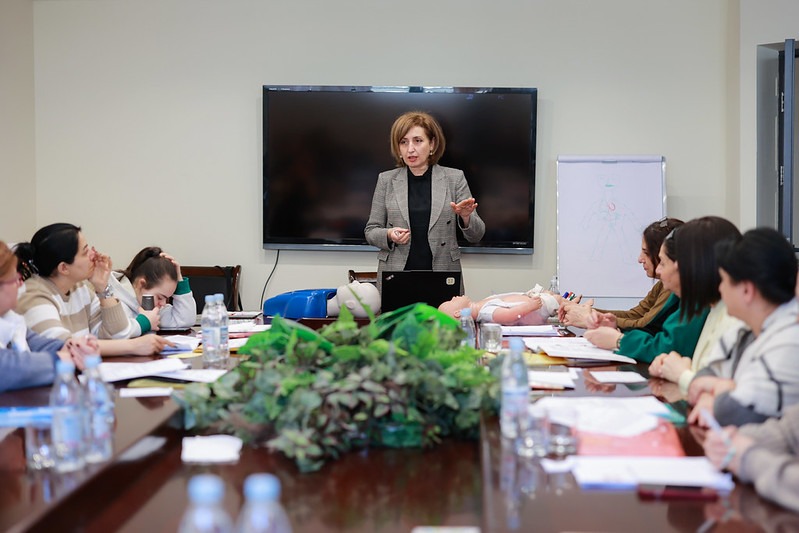
Au cours de la formation de février, les éducateurs se sont plongés à la fois dans la théorie et dans la pratique, se préparant non seulement à intervenir en cas d'urgence, mais aussi à enseigner ces compétences essentielles à leurs élèves.
Pour de nombreux participants, l'expérience a refaçonné des hypothèses de longue date concernant les premiers secours.
« Je suis biologiste et c'était la première fois que je participais à une telle formation », explique un enseignant. « J'ai appris à quel point les premiers secours diffèrent selon l'âge de la personne, en particulier des enfants. Auparavant, nous ne mettions pas toujours l'accent sur le fait d'appeler l'assistance médicale au bon moment, ni sur l'importance d'interventions spécifiques telles que la respiration artificielle pour les enfants. C'étaient de véritables découvertes pour moi. »
Du savoir à la pratique
En mars, les élèves des écoles bénéficiaires ont participé à des scénarios simulés à enjeux élevés conçus pour tester leurs compétences et leur prise de décision. Qu'il s'agisse du traitement des fractures, de la prise en charge des saignements ou de la réponse à l'inconscience, chaque situation exigeait rapidité, collaboration et sang-froid.
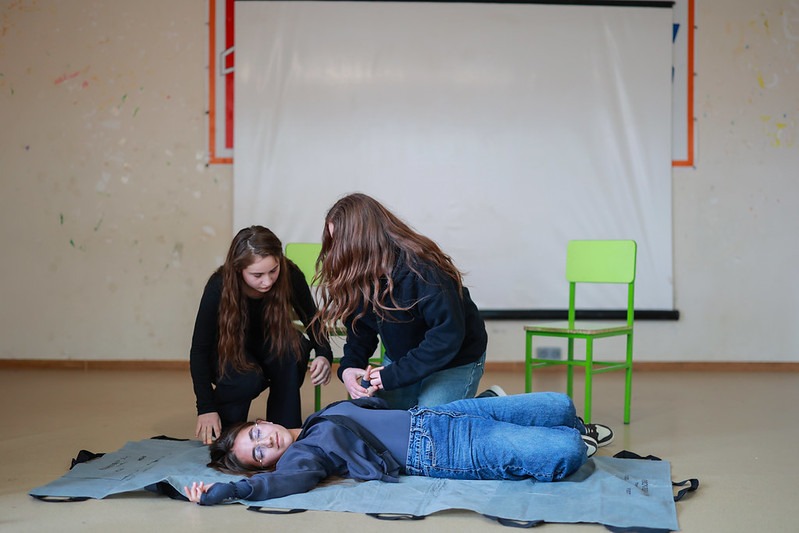
Les équipes ont démontré non seulement ce qu'elles avaient appris, mais aussi l'efficacité avec laquelle elles pouvaient l'appliquer. Le concours a apporté une dose supplémentaire d'énergie et d'urgence, encourageant les étudiants à aller au-delà de la théorie et à acquérir une réelle confiance en leurs capacités.
Combler les principales lacunes en matière de connaissances
Ces initiatives répondent à un besoin plus large : les connaissances fondamentales en matière de premiers secours sont souvent limitées, dépassées ou mal comprises. En dotant les enseignants et les élèves de compétences précises et pratiques, le COAF contribue à combler cet écart au niveau communautaire.
Plus important encore, l'initiative favorise une culture du soin dans laquelle les connaissances sont partagées, la responsabilité est collective et les communautés sont mieux préparées à se protéger les unes les autres lorsque chaque seconde compte.