
 EN — English
 HY — Հայերեն
 FR — Français
When Words Become Color: Students Reimagine Saroyan Through Art
*Ce blog a été traduit à l’aide de l’IA

What color can describe one of William Saroyan’s words? What image can emerge from a single sentence, character, or feeling?
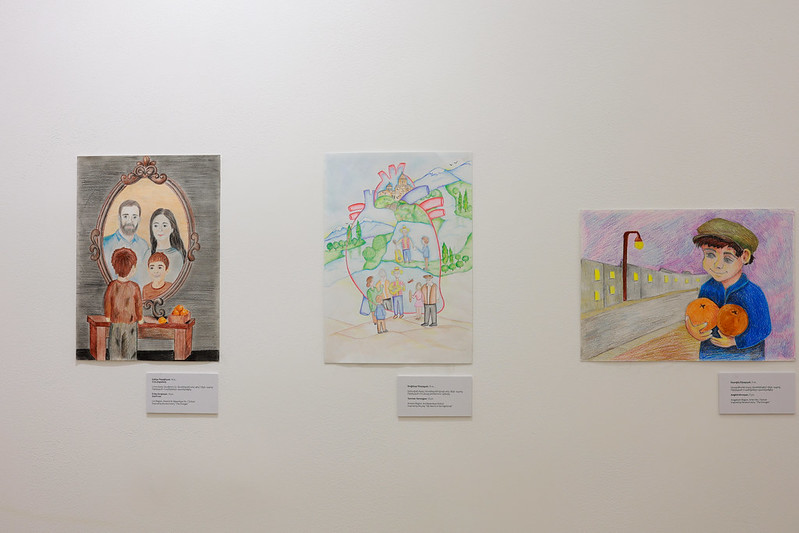
These questions came to life through the vivid imagination of schoolchildren from across Armenia, inspired by Saroyan’s short stories Oranges and Five Ripe Pears. Through their artwork, students translated the emotional texture of his writing into color, movement, and form.
The initiative was part of COAF’s “Saroyan Days,” which invited young people to engage with Saroyan’s creative legacy by interpreting their personal reactions and connections to his stories and visual works. Through a fine arts competition, students were encouraged to explore Saroyan’s themes in their own voice and style.
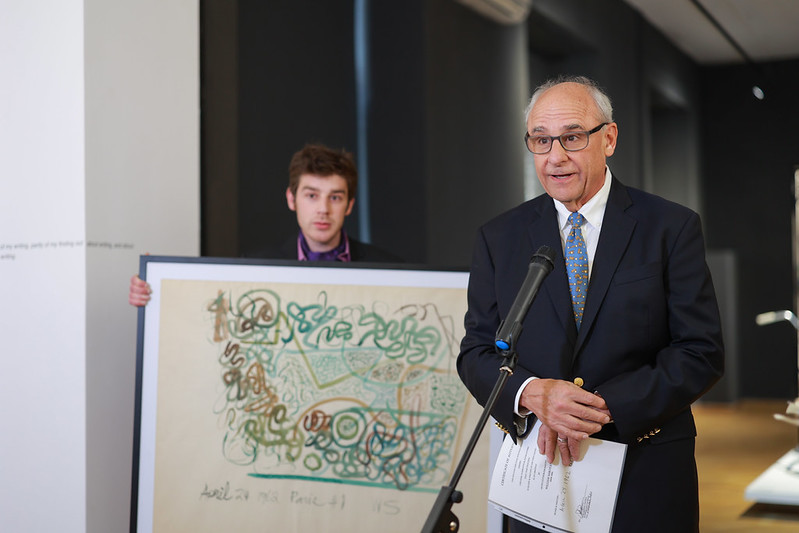
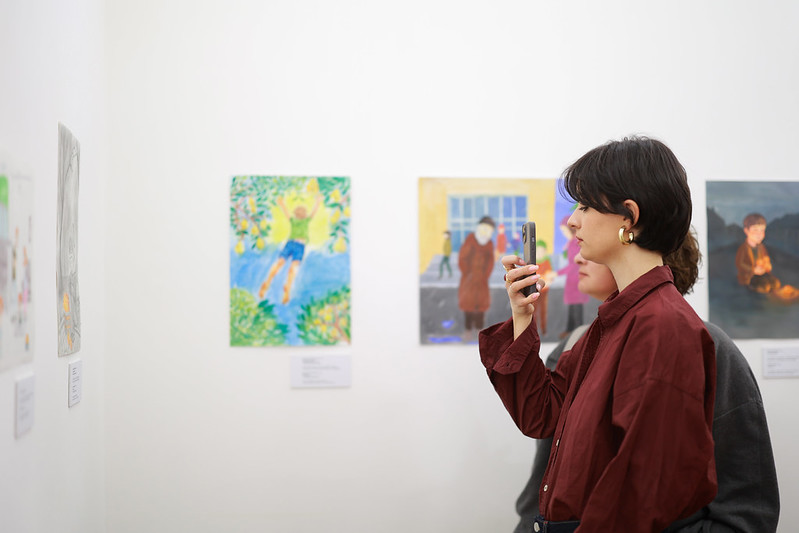
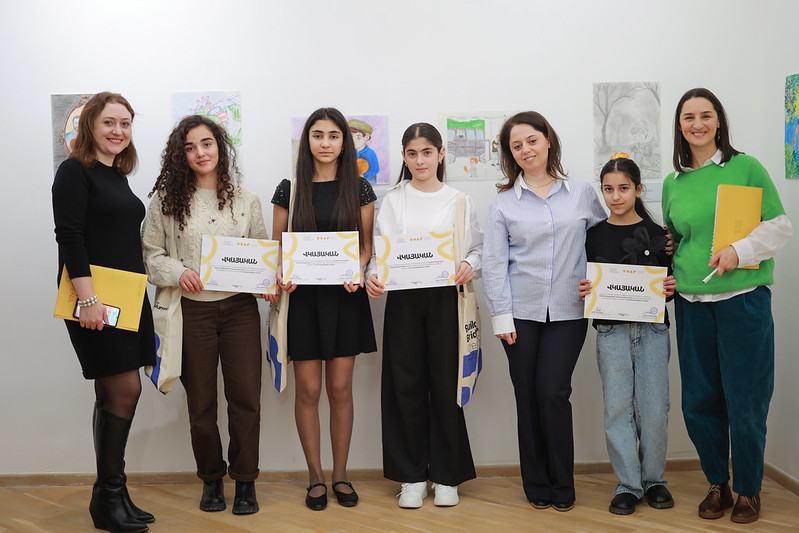
A total of 168 students aged 10 to 15 from Lori, Armavir, Aragatsotn, Shirak, and Syunik regions applied to the competition. From these submissions, a jury selected 15 standout works, later presented at the closing reception of the international exhibition Saroyanian Colors: Beyond Words at the Yeghishe Charents Museum of Literature and Art.
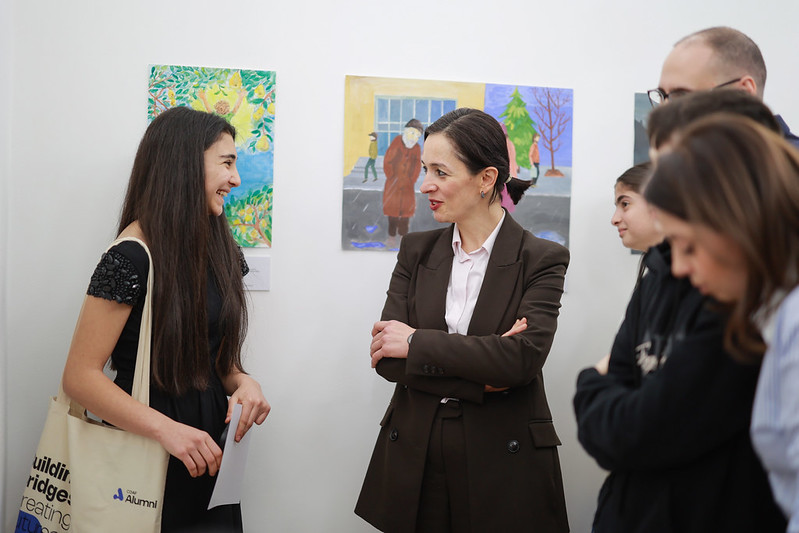
During the reception, COAF Executive Director Lianne Ghaltaghchyan presented certificates and gifts to the winning participants.
“As part of Saroyan Days, COAF did not limit itself to an art competition,” Ghaltaghchyan noted. “Together with students of the English Access Program, implemented with the support of the U.S. Embassy, we organized readings of Saroyan’s works. From those readings, students went on to create short films inspired by what they experienced.”
One participant, Maria from Norapat, created a painting of a boy leaping toward the sun and freedom, inspired by Saroyan’s Five Ripe Pears.
“The idea for this painting came to me immediately,” Maria shared. “I made the sketch in one day, and on the second day I colored it with watercolor.”
The competition also recognized schools with the highest levels of participation. The most active schools included those from Gyumri, Maralik, Ashnak, Arteni, Vanadzor, and Goris.
More than a competition, the initiative demonstrated how literature can become a living, creative dialogue. By transforming Saroyan’s words into images, students experienced storytelling as a process that nurtures curiosity, expression, and connection to a shared literary heritage.